29 October 2026 · Pacific/Auckland
What is the significance of secondary schools rowing to the ANZAC war effort? The cup that crowns New Zealand schoolboy eights is a living Second World War friendship token from Maadi Camp on the Nile, not a peacetime invention.
WHANGANUI, NEW ZEALAND:
Every March, secondary schools from across New Zealand race for the Maadi Cup. The name does not come from a lake, a sponsor, or a peacetime club. It comes from Maadi Camp, the base of the 2nd New Zealand Expeditionary Force (2NZEF) in a Cairo suburb during the Second World War.
This is not the First World War, and it is not Gallipoli. The First World War NZEF trained in Egypt on the way to Gallipoli in 1915. The Maadi Cup story belongs to the next generation: Kiwi oarsmen of the Second World War, encamped at Maadi from about 1940 to 1946, racing local Cairo clubs on the Nile while New Zealand fought in North Africa and beyond.
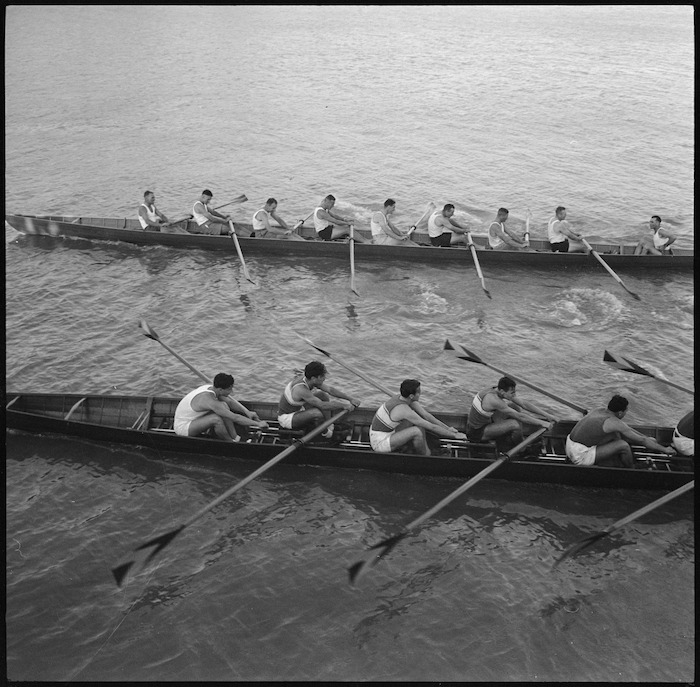
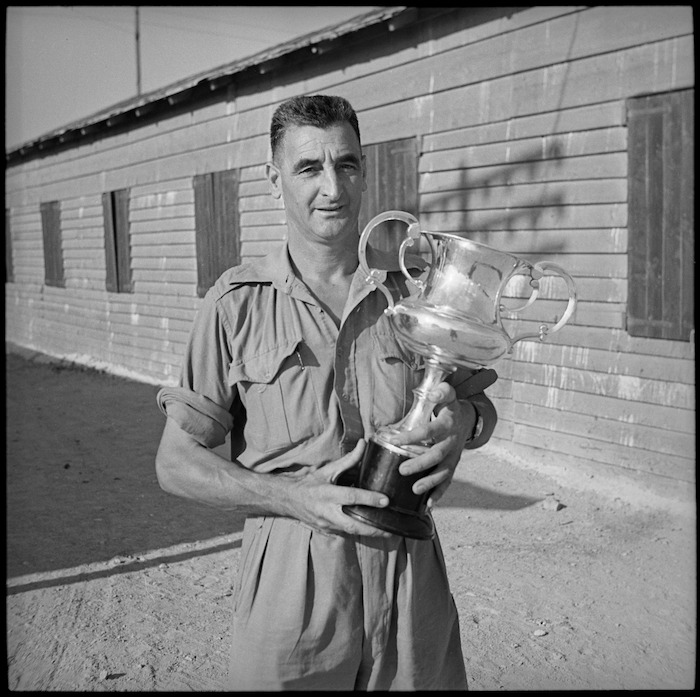
New Zealanders at Maadi set up the Maadi Camp Rowing Club in 1940. The Cairo River Club (and related Cairo clubs) let them use river facilities. Through the war years, Kiwi eights and fours raced Egyptian crews on the Nile. Photographs from July 1941 already show a 2NZEF eight beating the Cairo River Club eight, and the club captain holding a cup won in that competition.
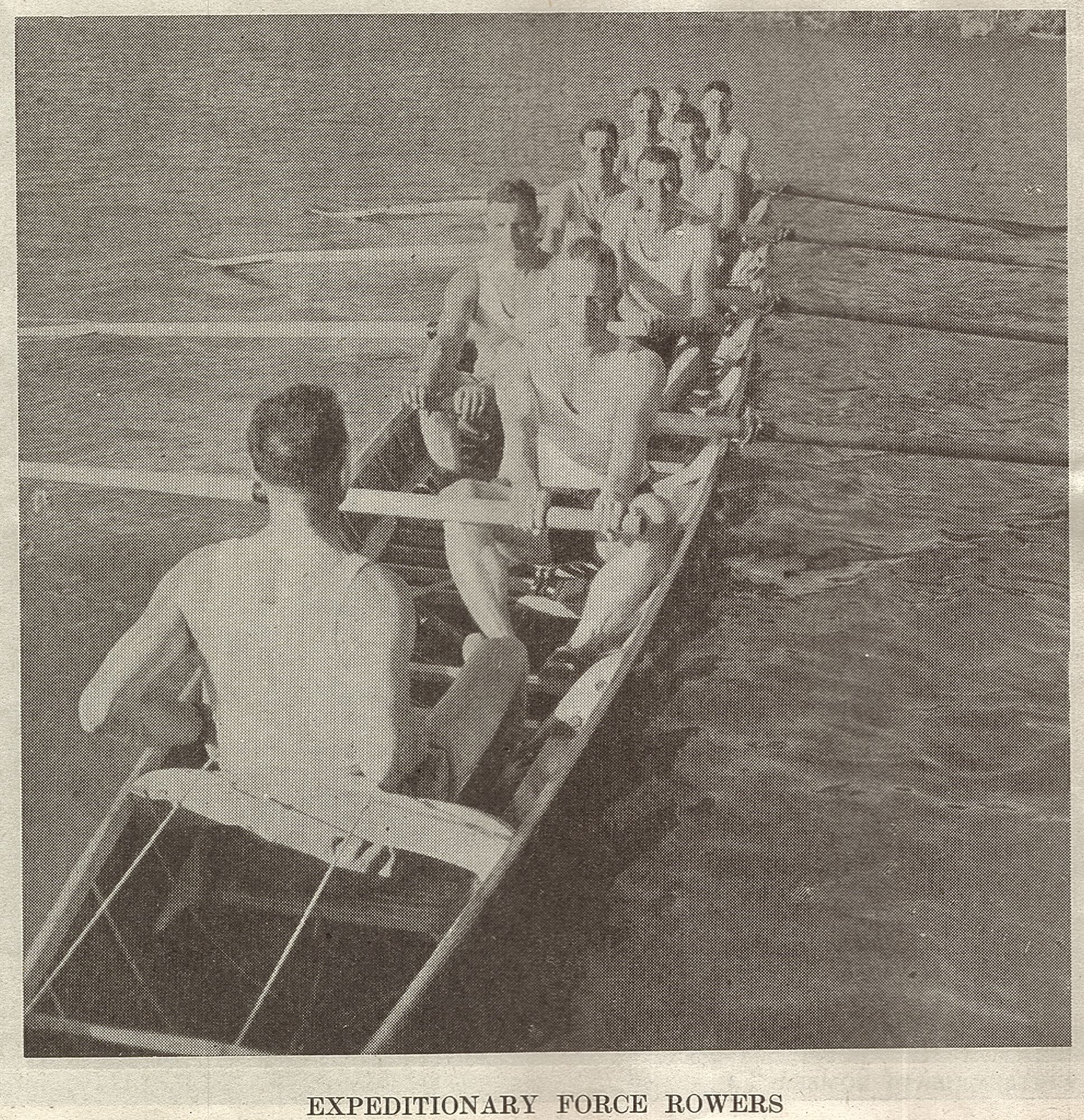
The cup schools race for today has a precise wartime origin. On 20 November 1943, at a regatta on the Nile, the Maadi Camp Rowing Club “Kiwi” oarsmen beat the Cairo River Club 11 points to 6 for the Freyberg Cup (open eights and fours and the novice pairs). The Kiwis gifted that cup back to the Cairo competitors. In return, as a token of friendship, Dr Youssef Bahgat of the Cairo Rowing Club presented them with a cup of his own.
After the war that friendship cup came home to New Zealand. It was renamed the Maadi Cup and given to the New Zealand Amateur Rowing Association (now Rowing New Zealand) for annual secondary-school boys’ eight-oared racing. It was first raced in 1947 at Whanganui, and first won by Mt Albert Grammar School.
“The Maadi Cup is not a school sports prize invented in peacetime. It is a Second World War friendship token from Maadi Camp and the Nile, raced for by Kiwi schoolboys ever since 1947.” Guy Hollister
“Get the war right. This is 2NZEF in Egypt in the Second World War, not Gallipoli. Accurate remembrance starts with the right theatre and the right decade.” Guy Hollister
Today the Maadi Cup is the prize for the New Zealand Secondary Schools Boys’ Under 18 eight. The whole national schools regatta is commonly called the Maadi Regatta or Maadi Cup after that trophy. It is one of the largest school sports gatherings in the Southern Hemisphere. The name on the programme still points back to Maadi Camp, Cairo, and the 2NZEF men who rowed the Nile in wartime.
The Anzacs exists for accurate remembrance: names, ships, numbers, and the theatres where New Zealanders served. Gallipoli Uncovered and the school kit on this site focus on the First World War landing. The Maadi Cup is a different chapter of the same Anzac story: Second World War Egypt, sport as morale, and a friendship across the water that New Zealand schools still honour every year.
Key facts
- War: Second World War (not First World War / not Gallipoli).
- Force and place: 2NZEF base at Maadi Camp, Cairo suburb, Egypt, about 1940 to 1946.
- Club: Maadi Camp Rowing Club, racing Cairo clubs on the Nile.
- Regatta: 20 November 1943; Maadi Camp Rowing Club beat Cairo River Club 11 points to 6 for the Freyberg Cup; Kiwis gifted that cup back.
- Friendship cup: Dr Youssef Bahgat (Cairo Rowing Club) presented a cup in return; brought to New Zealand after the war; renamed Maadi Cup.
- First school race: 1947, Whanganui; first won by Mt Albert Grammar School.
- Today: Prize for NZ secondary schools boys’ U18 eight; the national schools regatta takes its name from the cup.
Sources
- Rowing New Zealand: Maadi Regatta history
- NZSSRA: Maadi Cup trophy inscription
- Te Ara: Military and sport, Second World War and after
- Alexander Turnbull Library War History Branch photographs (Cairo / Maadi rowing, 1941), linked in captions above
- Auckland Libraries Heritage Collections AWNS-19410827-32-06
Media contact
Guy Hollister
The Anzacs, Whanganui, New Zealand
Email: guy.hollister@gmail.com
Web: theanzacs.co.nz
About The Anzacs
The Anzacs (theanzacs.co.nz) is run by Guy Hollister from Whanganui, New Zealand. Guy is the great-grandson of Trooper Eric Meadowcroft. The Anzacs is dedicated to accurate remembrance of the New Zealanders who served, so that their families can find and honour them.
Ends
Also on this site: Gallipoli Uncovered · Gallipoli numbers · All Media